31 min
Music · Fanna-Fi-Allah
Ya Mustafa, live
An early live recording of Fanna-Fi-Allah performing the qawwali Ya Mustafa.
A mystical path of love, remembrance, poetry and inner refinement.
Sufism is the mystical current within Islam, oriented toward the purification and remembrance of the heart. It is expressed through poetry, music, ethical formation and companionship within a lineage, or tariqa.
Practices such as dhikr (remembrance) and sama (sacred listening) are shared across many orders, though language, ritual and emphasis vary considerably between them.
The beloved is not found by searching, but by the heart that has stopped looking elsewhere.A central teaching within Sufism
Compare background, approach and format before choosing a teacher to follow.

Spiritual head of the Inayatiyya Sufi order and founder of the Suluk Academy, combining scholarly training with universal Sufi teaching.
View profile →Pir of the Sufi Way and founder of the Open Path, teaching nondual awareness within the Inayati Sufi lineage.
View profile →
Pir of Sufi Ruhaniat International, teaching Sufi zikr and the Dances of Universal Peace in the lineage of Hazrat Inayat Khan.
View profile →Leader of the Rifa'i Sufi order in Turkey and scholar of Ken'an Rifa'i, teaching classical Islamic philosophy and Sufi thought.
View profile →
Yemeni Islamic scholar and Sufi teacher in the Ba'Alawi tradition, founder of the Dar al-Mustafa seminary in Tarim.
View profile →
Damascus-born traditional Islamic scholar and Shadhili Sufi master, founder of Sacred Knowledge.
View profile →Devotional music and chant from within this path, alongside its teachers.

Vocalist and teacher trained in Indian classical music, who helps people open their own voice through it, and who also sings devotional qawwali in the traditional style.
View profile →Qawwali group led by Rizwan and Muazzam Mujahid Ali Khan, nephews of Nusrat Fateh Ali Khan, who were teenagers when he died in 1997 and stepped into the space he left.
View profile →Indian qawwali group from Hyderabad, the brothers Nazeer and Naseer Ahmed Khan Warsi, who sing with a party of eight accompanists.
View profile →Pakistani qawwali singer (1948–1997), called Shahenshah-e-Qawwali, the king of kings of qawwali, and credited with carrying this Sufi devotional music to listeners around the world.
View profile →
Tunisian oud player, singer and composer who carries the vocal world of the muezzin's call into jazz, improvising wordlessly across a register that reaches far above the instrument.
View profile →Flutist, composer and producer working between Sufi, folk, classical, ambient and electronic music, on themes of spiritual consciousness.
View profile →
Pakistani folk and Sufi singer from Sindh who sings the kalams of Shah Abdul Latif Bhittai, Bulleh Shah and Sachal Sarmast in Sindhi, Punjabi and Balochi.
View profile →
Turkish ney master who plays the Mevlevi sema music that accompanies the ceremony of the whirling dervishes.
View profile →
Traditional qawwali ensemble in the lineage of Nusrat Fateh Ali Khan, who perform at Sufi shrines as well as on concert stages.
View profile →The world's first all-women traditional qawwali group, singing in the same lineage as Fanna-Fi-Allah.
View profile →Official Mevlevi ensemble from Konya, founded in 1991, which performs the music of the sema ceremony in the city where Rumi is buried.
View profile →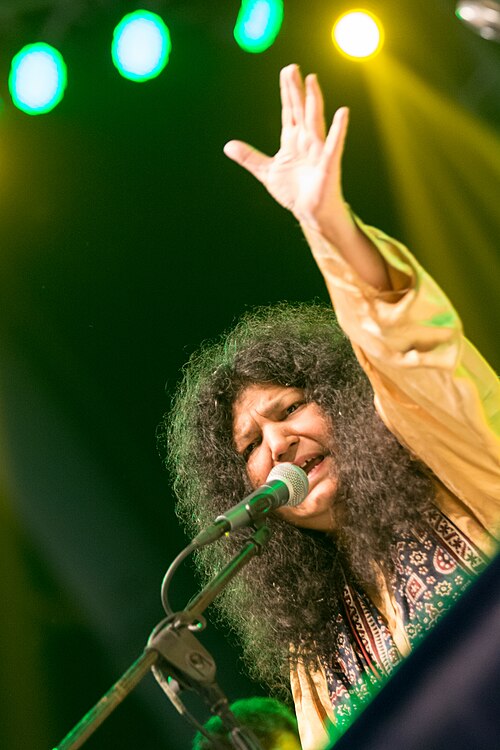
Pakistani singer and composer of Sufi music, widely called the Queen of Sufi music, who has carried the poetry of the Sufi saints from the shrines of Sindh to concert halls worldwide.
View profile →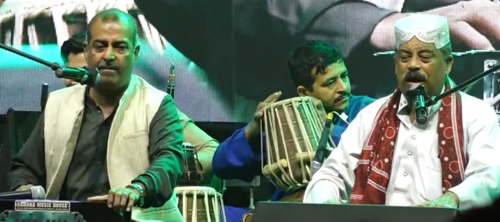
Pakistani qawwal brothers of the Qawwal Bacchon ka Gharana of Delhi, a lineage of devotional singers reaching back centuries, widely heard through Coke Studio.
View profile →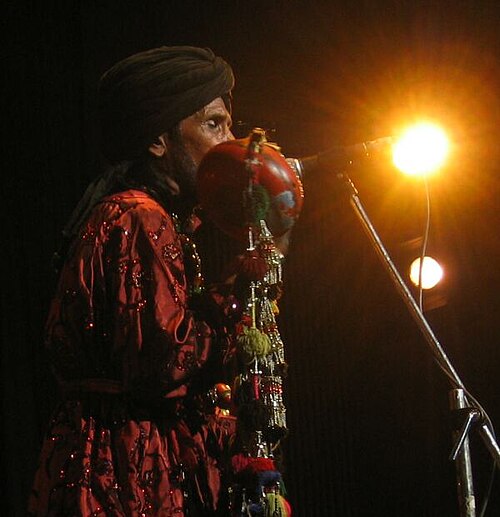
Punjabi Sufi singer from Pakistan who spent most of his life singing at Sufi shrines, accompanying himself on the ektara, and made his first recording only in 2006.
View profile →Retreats, dialogues and online gatherings connected to this path.
Online · Monthly online meditation
Online · Monthly online meditation
Online · Monthly online gathering
Online · Weekly online class
Talks and conversations from teachers within this path.
An early live recording of Fanna-Fi-Allah performing the qawwali Ya Mustafa.
Fanna-Fi-Allah's well-known rendition of the qawwali Mast Mast.
Fanna-Fi-Allah performing the qawwali hymn Allah Hoo live in Berlin.
Fanna-Fi-Allah performing an extended qawwali naubat of Mast Mast, live in London.
Voices from this path and the schools within it, playing from the platforms the teachers publish on.
A studio recording of Mast Mast from Fanna-Fi-Allah's 2015 album Tawhid.
Listen on Apple PodcastsA studio recording of the qawwali Allah Hoo from Fanna-Fi-Allah's 2014 album Mehfil-e-Sama, Vol. 3.
Listen on Apple PodcastsA live recording of Fanna-Fi-Allah performing the qawwali Jive Laal Qalandar.
Listen on Apple PodcastsA studio recording of the qawwali Shahbaz Qalandar from Fanna-Fi-Allah's 2008 album Mehfil-e-Sama, Vol. 1.
Listen on Apple PodcastsThe source texts beneath this path, free to read.
“The Qur’an in Persian” — Whinfield's readable free abridgement of Rumi's great Sufi poem.
Rumi's ecstatic verses to his teacher Shams, rendered by the great scholar of Sufi poetry.
Devotional language of surrender and love is central to this tradition, but should never be used to justify the abuse of spiritual authority.