23 min
Talk · Shodo Harada Roshi
Mumonkan Case 17: The National Teacher Calls Three Times
A teisho on case 17 of the Mumonkan given at Tahoma One Drop Zen Monastery, delivered in Japanese with DaiChi Zenni's consecutive English interpretation.
Many schools, one living family of practice.
From vipassana and Zen to Tibetan Buddhism: mindfulness, wisdom and compassion.
Buddhism spans a wide range of lineages, Theravada, Zen, Tibetan and many others, united by an interest in the causes of suffering and the possibility of its release, rather than by a single fixed doctrine.
Practice usually combines ethical conduct, meditation and the cultivation of wisdom. Some traditions emphasise gradual training over many years; others point to a more immediate recognition available in ordinary moments.
Suffering arises from clinging to what cannot stay the same. What happens when we stop holding on?A central teaching within Buddhism
The full history is complex. The browse experience does not need to be. Start with a recognizable living tradition and discover its deeper context naturally.
Early Buddhist monastic traditions alongside the modern Insight movement, related, but kept distinct in the underlying data.
Direct meditative practice, zazen and everyday awareness in traditions rooted in Chinese Chan and its later forms.
A diverse family of Vajrayana traditions combining philosophical study, meditation, ritual and lineage transmission.
Buddhism holds many schools and lineages beneath it. Its teachers are gathered below.
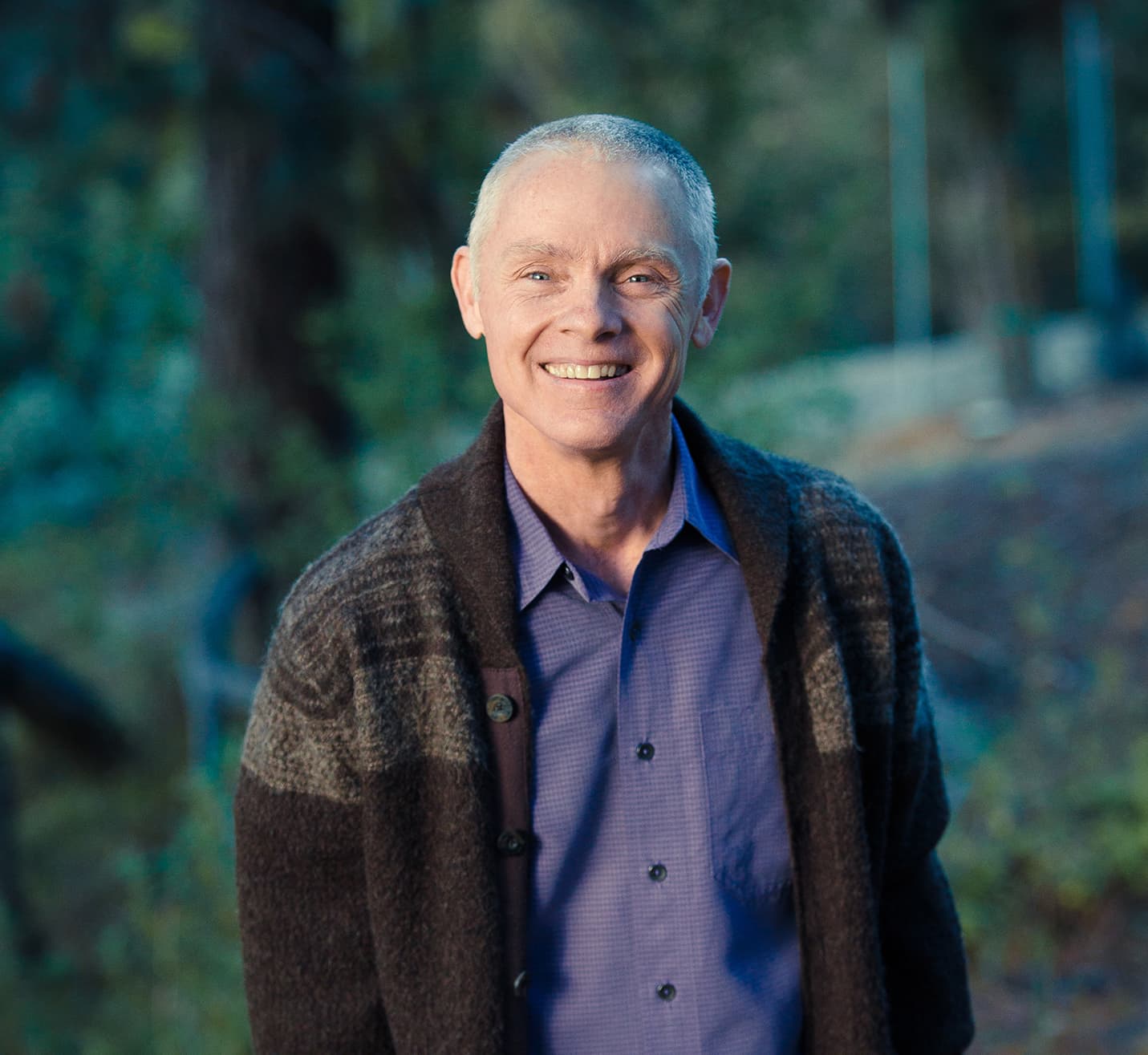
American-born spiritual teacher who has taught for over 30 years, offering teachings free of any single tradition or ideology; founder of Open Gate Sangha, now retired.

Theravada monk in the Thai Forest tradition; co-founder of Amaravati Buddhist Monastery in England.
Thai Forest monk and abbot of Wat Boonyawad in Chonburi province, Thailand, known for direct, practical instruction on meditation and the abandoning of unwholesome states of mind.
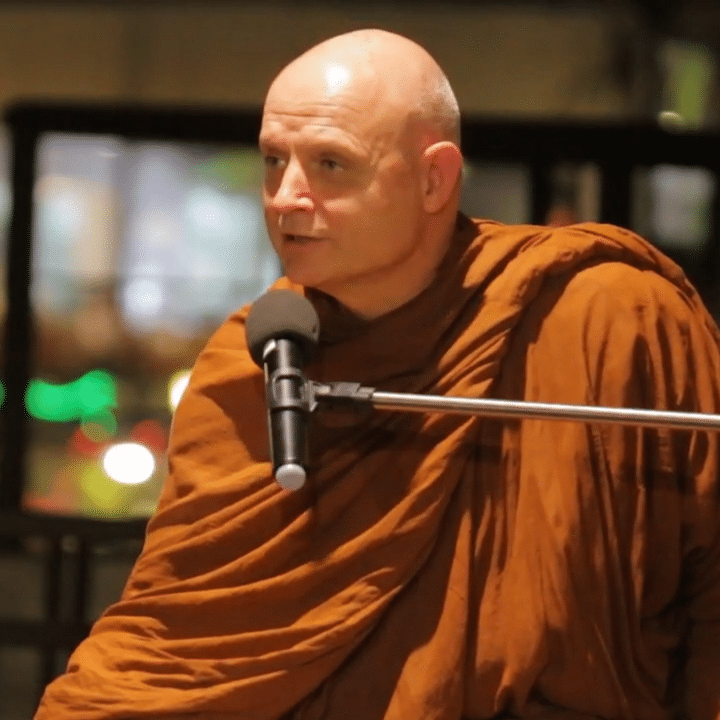
British-born Thai Forest Tradition monk, a direct student of Ajahn Chah, teaching from a hermitage near Khao Yai National Park, Thailand.
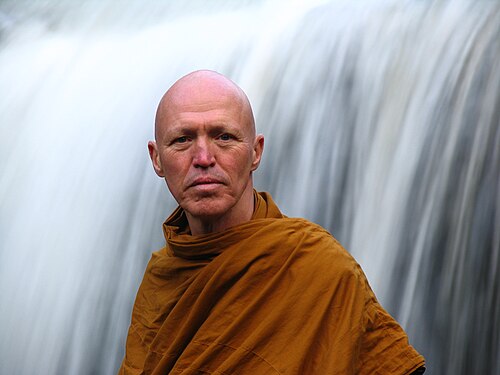
British Theravada monk in the Thai Forest tradition, long associated with Cittaviveka (Chithurst Buddhist Monastery) in the UK.
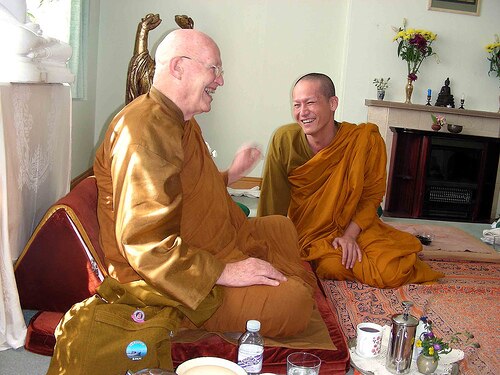
American-born elder of the Thai Forest tradition, founder of Chithurst and Amaravati monasteries in England and the most senior Western monk in the lineage of Ajahn Chah.
Devotional music and chant from within this path, alongside its teachers.
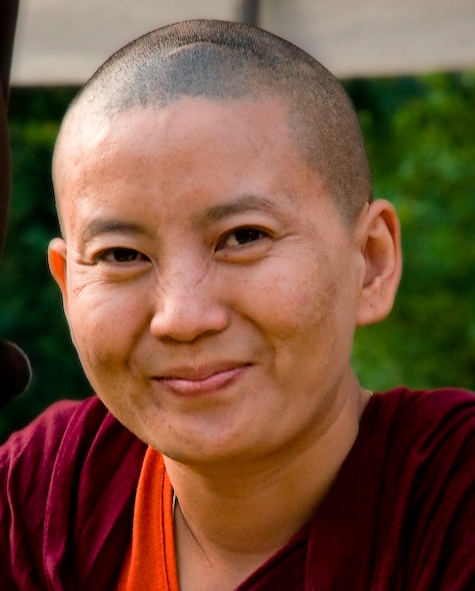
Nepalese Buddhist nun of Tibetan origin from the Nagi Gompa nunnery, who brought Tibetan Buddhist chants and feast songs to audiences far outside the monastery.
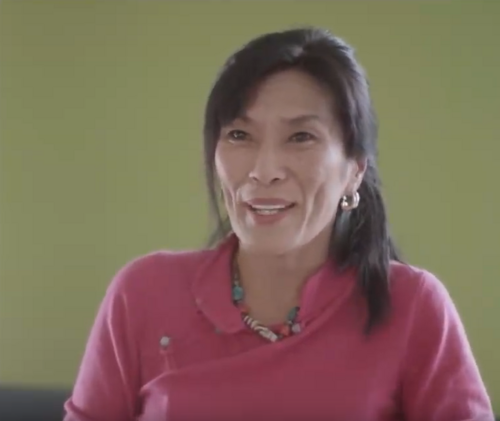
Swiss-Tibetan singer who sets traditional Tibetan Buddhist mantras and prayers in contemporary arrangements, among them a double album on Arya Tara.

Chinese-Malaysian composer, producer and singer who sets classical Buddhist chant, mantra and dharani in Sanskrit, Pali, Tibetan and Mandarin, with more than fifty albums to her name.
Japanese Zen Buddhist monk and musician whose sung settings of the Heart Sutra have been watched more than a hundred million times.
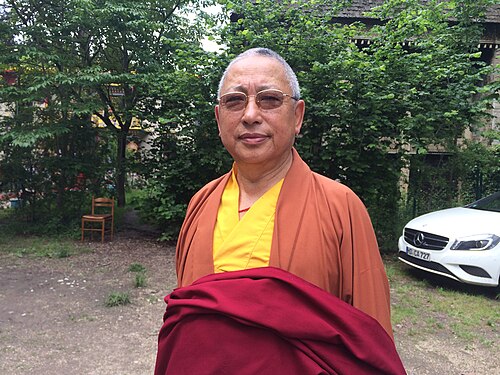
Bhutanese-born lama of the Tibetan Buddhist Kagyu lineage, living in France since 1974, whose chanted mantras reached far beyond the meditation hall.
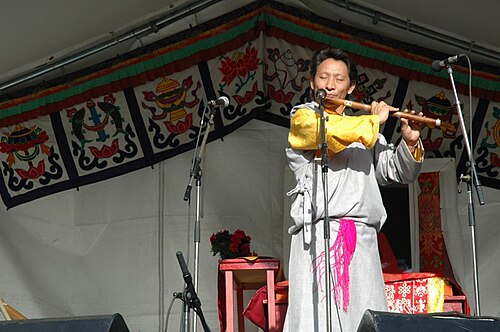
Tibetan flute player and composer, a monk for eleven years and a hermit for four of them under the guidance of the Dalai Lama, and the first Tibetan nominated for a Grammy.
Events attached to unpublished lineages still roll up to the nearest public path, so this hub remains complete.
Kensington, Australia · Day of teachings
Online · Online Q&A
Online · Online talk
Mount Tremper, New York, United States · In-person sesshin
Documentaries, interviews and talks connected to this path and its lineages.
A teisho on case 17 of the Mumonkan given at Tahoma One Drop Zen Monastery, delivered in Japanese with DaiChi Zenni's consecutive English interpretation.
A teisho on the first case of the Mumonkan, Joshu's "Mu," given in Japanese with ShoE Zenni's consecutive English interpretation.
In conversation with Commonweal's Michael Lerner, Harada Roshi discusses the Buddhist path and performs a calligraphy demonstration, his Japanese remarks interpreted into English by his longtime translator.
A public talk in which Harada Roshi opens up Joshu's koan "wash your bowls" to show how everyday life itself is Zen practice; he teaches in Japanese with English interpretation by Chisan.
Talks, guided meditations and podcast conversations from the teachers within this path.
From the podcast Tara Brach
Listen on Apple PodcastsFrom the podcast Tara Brach
Listen on Apple PodcastsThe source texts beneath this path, free to read.
The standard free translation, from the Sacred Books of the East — formal but clear.
A foundational Mahayana text on emptiness and non-attachment, read across Buddhist schools.
A Greek king's dialogue with the monk Nagasena — Buddhist philosophy made through conversation.
The shortest and most recited Mahayana text, distilling the Prajnaparamita teaching on emptiness.
Meditation instructions can surface difficult material. A teacher's training and access to appropriate support matter as much as the technique itself.