
6 min
Talk · Dr Miriam-Rose Ungunmerr-Baumann
Dadirri
Six minutes in which she explains dadirri in her own words.
Silence, prayer and direct experience within the mystical traditions of Christianity.
Christian mysticism refers to contemplative currents within Christianity that emphasise direct, often wordless encounter with the divine, alongside scripture, liturgy and communal life.
Figures and practices span many centuries and traditions, from desert monasticism to contemporary centring prayer, united by an interest in silence, surrender and inner transformation.
In the stillness beneath the words, something is already listening.A central teaching within Christian mysticism
Compare background, approach and format before choosing a teacher to follow.

Franciscan friar and founder of the Center for Action and Contemplation, largely retired from teaching after a cancer diagnosis.
View profile →Clinical psychologist and former student of Thomas Merton, teaching Christian contemplative practice through the Center for Action and Contemplation.
View profile →American writer and translator of Christian mystics such as St. John of the Cross and Teresa of Ávila, teaching within an interfaith contemplative frame.
View profile →
Austrian-American Benedictine monk known as the 'grandfather of gratitude', now living in contemplative retirement at Europakloster Gut Aich.
View profile →Episcopal priest and co-founder of the Reciprocity Foundation who now directs the Center for Spiritual Imagination, teaching contemplative Christian prayer and "new monasticism."
View profile →American mathematician-turned-cosmologist and co-founder of the Center for the Story of the Universe, known for retelling cosmic evolution as a sacred narrative alongside Thomas Berry.
View profile →Devotional music and chant from within this path, alongside its teachers.
Lebanese singer of sacred and Oriental repertoire, at home in Maronite, Syriac and Byzantine chant as well as the classical and traditional music of her country.
View profile →Four siblings, born in Germany and raised in Ecuador, who sing Catholic sacred music unaccompanied, gathering chant from many traditions and languages.
View profile →Husband-and-wife duo Anita and Ben Tatlow, writing quiet ambient music for prayer and reflection from their home in Hong Kong.
View profile →Ethiopian singer and begena player who performs traditional Orthodox mezmur, the hymns of devotional reflection, sung softly over the low buzzing drone of the ten-stringed lyre known as the harp of David. In the Ethiopian Orthodox Tewahedo tradition the begena belongs to prayer and contemplation rather than to performance, and her recordings keep the instrument in that register.
View profile →
Lebanese singer, qanun player and musicologist, born in 1980. She sings the sacred liturgies of the Maronite, Syriac Orthodox, Byzantine and Armenian churches in their own languages. That preserving work, carried out in languages and chant forms that are losing their singers, is the heart of what she does, alongside a wider career in Lebanese and contemporary music.
View profile →
Serbian singer and conductor of Orthodox sacred music, born in 1970 in Belgrade. From the age of ten she was taught to sing by the sisters of the Vavedenje monastery near Belgrade, where she developed a style of her own out of the Karlovci chant tradition. She studied at the Mokranjac Music School and graduated from the Academy of Arts in Novi Sad. In 1991 she founded Melodi, a choir and studio for spiritual music, which she conducts as its artistic director.
View profile →
Swiss-Catalan singer and harpist, born in 1972, who grew up inside the early-music world as the daughter of Jordi Savall and Montserrat Figueras. She specialises in medieval and early sacred music, singing to her own harp, and leads the ensemble Hirundo Maris with Petter Udland Johansen.
View profile →Precentor in the Free Church of Scotland on the Isle of Lewis, in the Outer Hebrides, and a bearer of Gaelic psalm singing. The precentor gives out the line and the congregation answers unaccompanied, each voice finding its own way through the tune. This is Reformed congregational worship first of all, and the sound it makes is what carries beyond it.
View profile →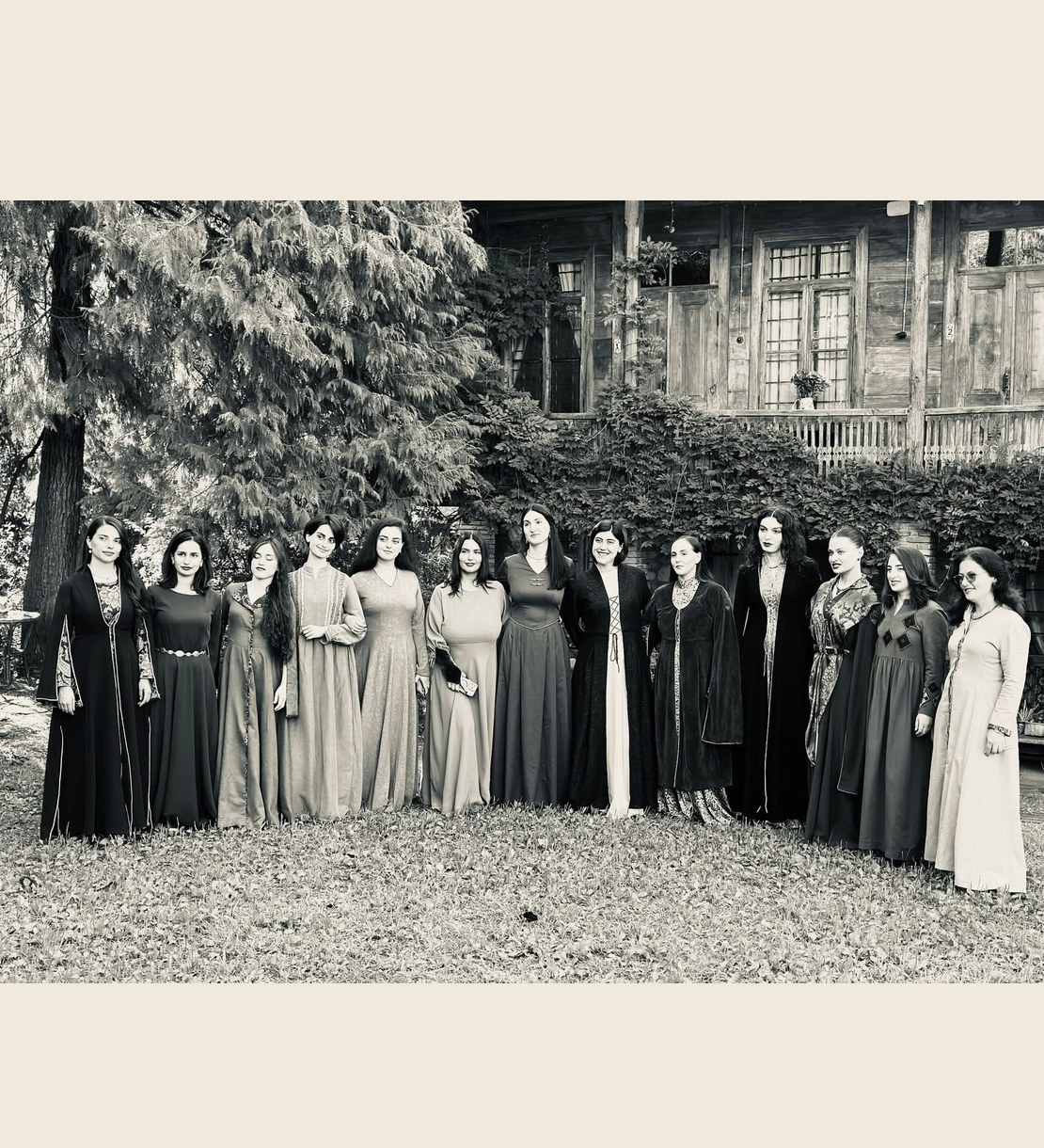
Georgian women's vocal ensemble formed in Tbilisi in 2009, rooted in the Orthodox liturgical polyphony of Georgia. For its first years the group sang nothing else, reviving little-known chants from archives, manuscripts and field recordings. Their repertoire has since widened to take in the folk and city songs that make up the other two streams of Georgian polyphony.
View profile →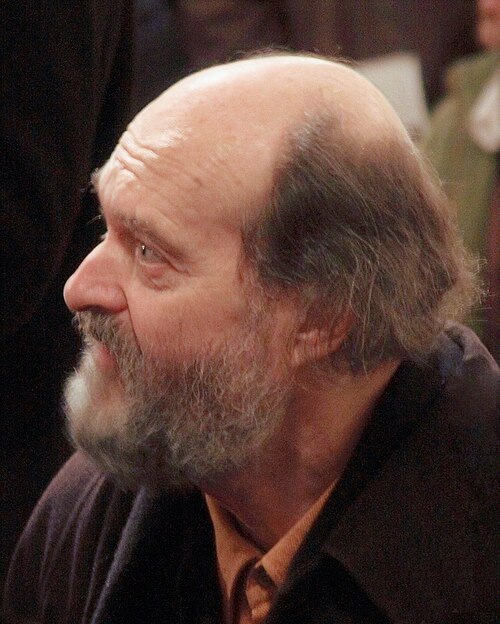
Estonian composer whose tintinnabuli style, drawn in part from Gregorian chant, has made him for years the most performed living composer in the world.
View profile →Vocal ensemble founded in Portland, Oregon in 1991, known for its work in Byzantine and Orthodox sacred music alongside the Western repertoire.
View profile →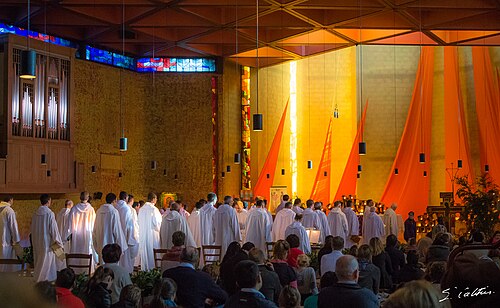
Ecumenical monastic community in Burgundy of about a hundred brothers from Catholic and Protestant traditions, whose short repetitive chants are sung to carry prayer and silence rather than to be performed.
View profile →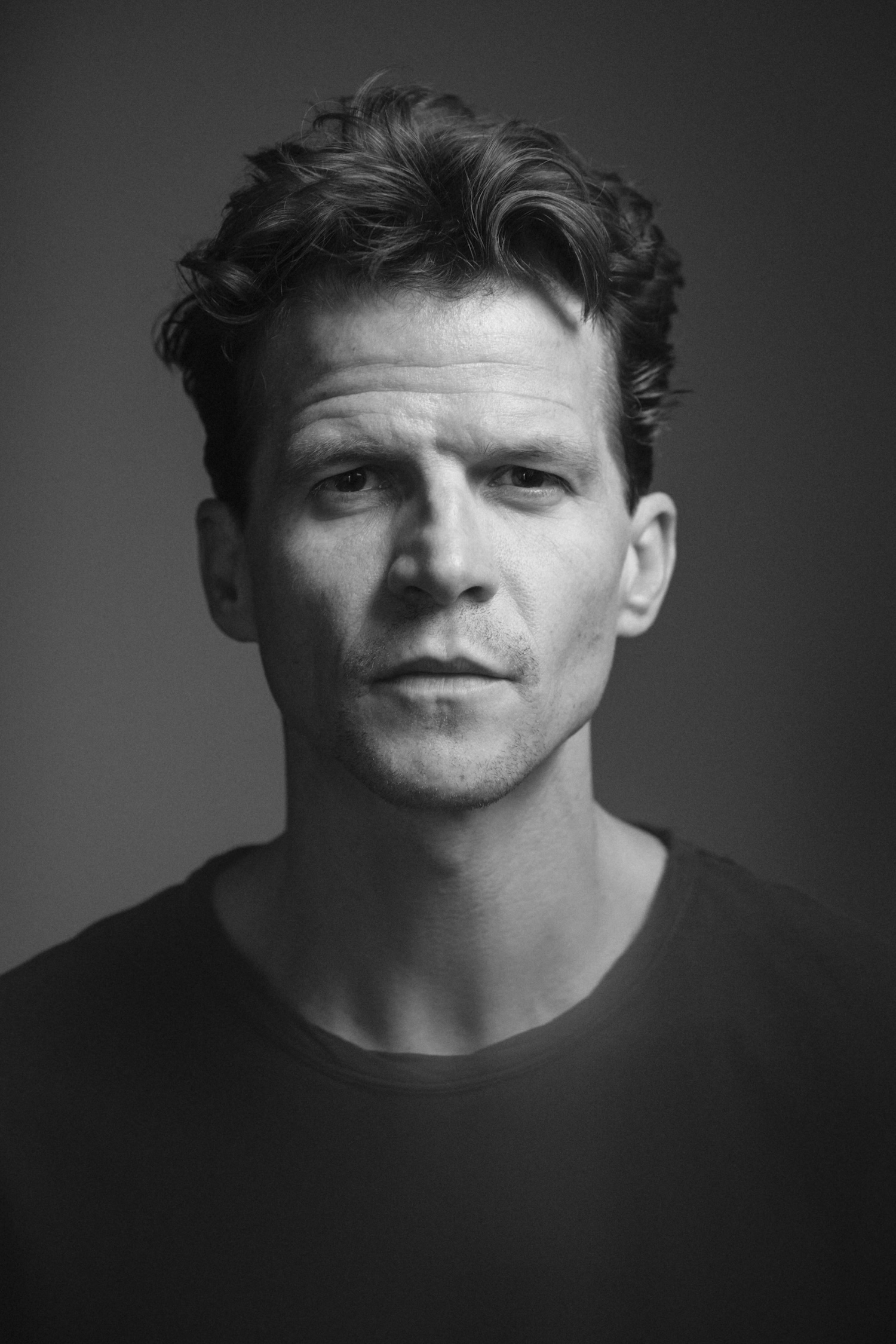
Eric Marshall's prayer-music project, layering ambient indie textures under songs written for church gatherings and for private devotion alike.
View profile →
Ethiopian musician born in Addis Ababa in 1950 and a leading living master of the begena, the ten-stringed lyre known as the harp of David. In the Ethiopian Orthodox Tewahedo tradition the begena is reserved entirely for sacred use, played for prayer and meditation and never for entertainment. He sings his prayers barely above a whisper.
View profile →Coptic Orthodox cantor and head deacon at the cathedral in Cairo, and one of the few living authorities on the hymns of the Church of Alexandria. He teaches alhan, the church's chant, at the Higher Institute of Coptic Studies, and has recorded the whole liturgical year on his own so that a tradition reaching back to the first Christian centuries can be handed on rather than remembered.
View profile →
Armenian ensemble founded in Yerevan in 2010 by the composer John Hodian: three women's voices with duduk, oud, dhol and piano. They set the mystical sacred poetry of Mkrtich Naghash, the fifteenth-century Armenian priest and poet, and place the sacred and folk traditions of Armenia inside a contemporary classical setting. They have toured internationally for over a decade.
View profile →
Ensemble Basiani is a male vocal ensemble founded in Tbilisi in 2000 with the blessing of Patriarch Ilia II, and named the State Ensemble of Georgian Folk Singing in 2013. Its repertoire joins Georgian Orthodox church hymns with traditional polyphonic folk song.
View profile →Founded in 1982 by Marcel Pérès at Sénanque Abbey and based at the former abbey of Moissac since 2001, Ensemble Organum performs medieval liturgical chant. Its work draws on manuscript sources alongside living oral traditions such as Byzantine and Syriac chant.
View profile →The Tronos Psaltic Group is the Byzantine chant ensemble of the Romanian Patriarchal Cathedral in Bucharest, founded and led by Archdeacon Mihail Bucă. It sings Orthodox liturgical chant and Romanian carols, and has performed in Romania and abroad.
View profile →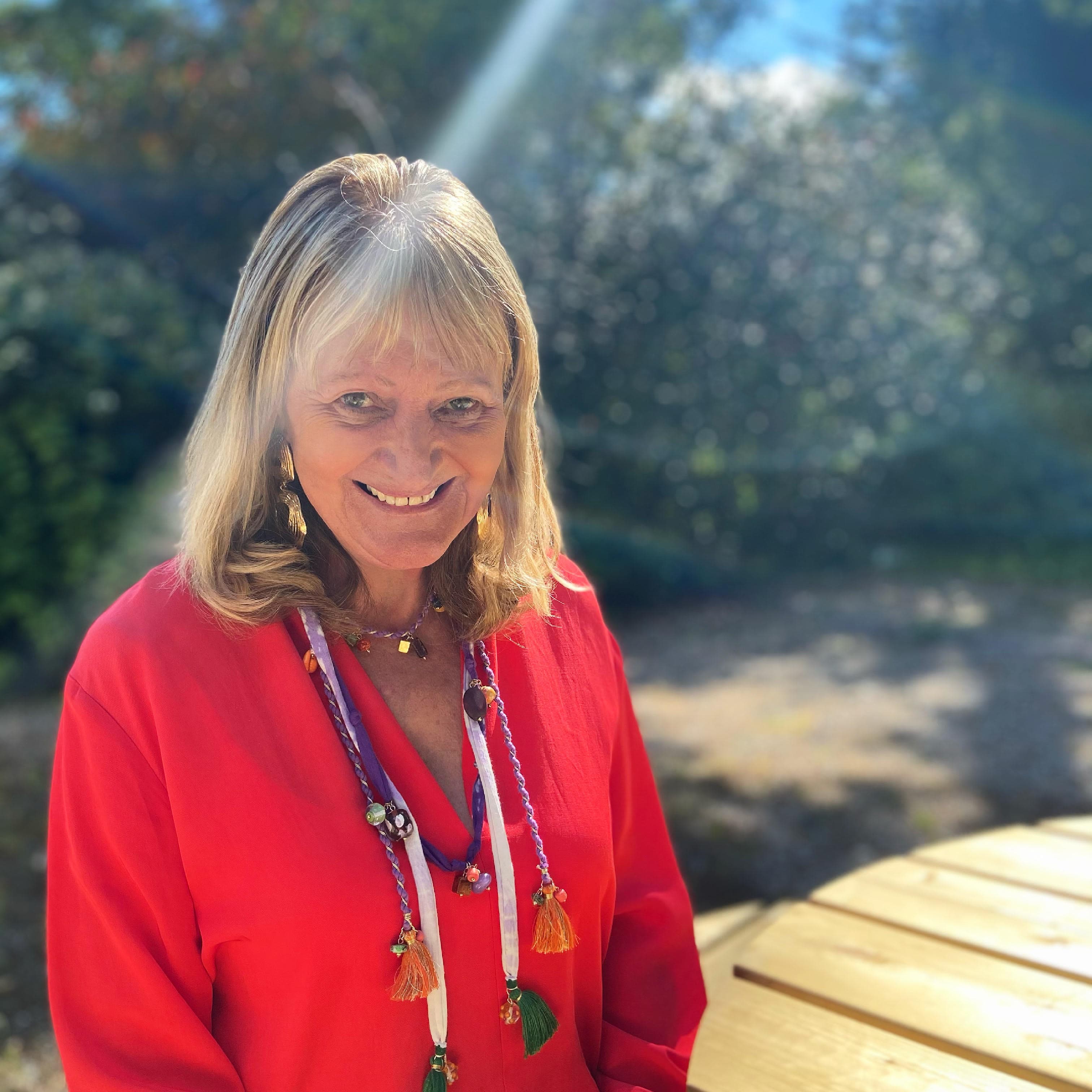
Irish singer and theologian, born in County Limerick in 1951, who lived sixteen years beside the Benedictine monks of Glenstal Abbey and is an authority on Gregorian chant and Irish spiritual song. Her doctorate set out what she calls theosony, the sound of God: listening itself as a way to religious experience. She has been an ordained interfaith minister since 2017.
View profile →
Greek singer of Byzantine church music, born on 5 August 1982, who has sung in church since childhood and holds a diploma in Byzantine music. She teaches at the Central Conservatory of Athens and sings the sacred repertoire in Greek, Romanian, Arabic, Russian and Aramaic among other languages.
View profile →The Maïstores tis Psaltikis Technis are a choir of Byzantine chanters directed by Achilleus Chaldaeakes. They study and perform the work of Byzantine and post-Byzantine composers, and sing complete Orthodox services.
View profile →Lebanese nun and musicologist who sings the sacred chant of the Christian East in its Maronite, Melkite-Byzantine and Syriac forms, mostly in Arabic, and founded an ensemble of musicians drawn from different faiths.
View profile →The Monks of Keur Moussa are a Benedictine community in Senegal who built a kora of their own and compose liturgical music setting plainchant beside Wolof, Diola and Serer.
View profile →The Sretensky Monastery Choir is the male choir of the Sretensky Monastery in Moscow, singing the monastery's own services alongside Russian, Ukrainian and Cossack song.
View profile →
Ghada Shbeir is a Lebanese singer who works in two repertoires at once: Syriac and Maronite liturgical chant, and the Arab-Andalusian muwashshah.
View profile →Vox Clamantis is an Estonian vocal ensemble founded in Tallinn in 1996 by Jaan-Eik Tulve, with Gregorian chant at its centre and new Estonian music alongside it.
View profile →The Geghard Vocal Ensemble is a women's choir founded in 2001 by the conductor Anahit Papayan at the medieval Geghard Monastery in Armenia, under the artistic direction of the musicologist Mher Navoyan. It sings the Divine Liturgy at the monastery on Sundays and focuses on the Armenian sacred monodic tradition from the 5th to the 15th century, alongside arrangements of sacred and folk songs. The ensemble has performed in many European countries and in Lebanon.
View profile →The Central Australian Aboriginal Women's Choir is made up of about thirty women who come from seven remote communities in the central desert of Australia. They sing Lutheran hymns and other sacred music in English and in Western Arrarnta and Pitjantjatjara, languages still spoken in the Northern Territory and South Australia. Some of those hymns reached the singers' great-grandparents through German Lutheran missionaries more than a century ago and have been handed down in their families ever since. The choir works with choir master Morris Stuart, is the subject of the documentary The Song Keepers, and performs across Australia and overseas.
View profile →
British vocal ensemble founded in 1973 by Peter Phillips, usually two singers to a part, devoted to unaccompanied sacred polyphony of the Renaissance. They have released more than sixty records on their own Gimell label and were elected to the Gramophone Hall of Fame in 2013. Their 1980 recording of the Allegri Miserere is still the one most people have heard.
View profile →Retreats, dialogues and online gatherings connected to this path.
Fairfield, Iowa, United States · Weekly healing gathering
Online · Weekly online healing session
Online · Monthly online gathering
Online · Weekly online contemplative prayer
Talks and conversations from teachers within this path.
Six minutes in which she explains dadirri in her own words.
Half an hour on One Plus One about dadirri, the inner deep listening of her Ngan'gikurunggurr people.
Five minutes of Guerrero, and the shortest way to hear what two singers to a part does.
Obrecht's mass sung in Bruges, the city it was written for, in the hall's own film.
Voices from this path and the schools within it, playing from the platforms the teachers publish on.
Laurence Freeman speaks about attention as something that can be trained through meditation and about how that capacity relates to love.
From the podcast WCCM Audio
A talk on the unconscious layers of the mind and what happens to them in the silence of Christian meditation.
From the podcast WCCM Audio
John Philip Newell as a guest on the Nomad Podcast.
From the podcast Nomad Podcast
Freeman reflects on the search for depth and meaning that brings people to contemplative practice.
From the podcast WCCM Audio
The source texts beneath this path, free to read.
The anonymous 14th-century English guide to contemplative prayer.
The first English translation of the medieval German mystic's sermons.
Teresa of Ávila's own autobiography of her spiritual life and visions.
Teresa of Ávila's map of the soul's seven mansions, from the outer wall to union with God.
Contemplative practice can surface deep material. Spiritual direction is traditionally paired with pastoral or psychological support when needed.