
14 min
Documentary
The Composer Who Made Silence Sing
A short film portrait of Arvo Part's life and musical language, built from archive footage and conversations with musicians close to his work.
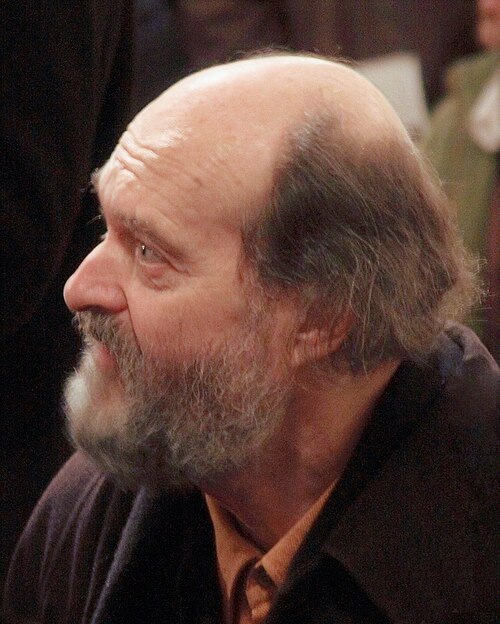 Photo by Woesinger, CC BY-SA 2.0, via Wikimedia Commons
Christian mysticism · Tintinnabuli
Estonian composer whose tintinnabuli style, drawn in part from Gregorian chant, has made him for years the most performed living composer in the world.
Arvo Pärt, born in 1935, spent years in near-silence before arriving at the method he called tintinnabuli — a way of writing in which a melodic line and a line built from the notes of a single triad move together, so that the music stays close to one chord and to the ear of plainchant. Fratres, Spiegel im Spiegel and Für Alina all come from the late 1970s and are still his most performed works.
He has been the most performed living composer in the world in most years since 2011. The Arvo Pärt Centre opened to the public in Laulasmaa, Estonia, in 2018.
He appears here as a composer rather than a performer: what you hear in a concert hall is his music in other people's hands.
“Gregorian Chant has taught me what a cosmic secret is hidden in the art of combining two, three notes.”Arvo Pärt
Talks, day programmes and retreats currently listed in the Paths Are Many calendar.
No upcoming events are currently listed.
Short introductions and longer conversations, to hear this artist in their own words.
A short film portrait of Arvo Part's life and musical language, built from archive footage and conversations with musicians close to his work.
Silence, prayer and direct experience within the mystical traditions of Christianity.
Explore the path →