69 min
Talk · Peter Russell
The Primacy of Consciousness - Peter Russell - Full Version
His signature lecture, tracing the argument from the limits of physics to the claim that mind is the ground of reality, illustrated throughout with slides.
A secular, evidence-based approach to attention and awareness, developed from Buddhist meditation practice for clinical and everyday use.
Mindfulness describes a family of secular practices that adapt techniques from Buddhist meditation, especially from the Theravada and Zen traditions, for use outside a religious framework. It is taught in clinics, schools, workplaces and research settings, usually without reference to rebirth, karma or a specific cosmology.
Programmes typically combine body-based attention such as the body scan, breath awareness and sitting meditation, often structured as an eight-week course. Because the approach deliberately separates technique from doctrine, it raises its own questions about what is gained and what is left out when a contemplative practice is adapted this way.
Attention, paid on purpose, without judgment, to the present moment: that is the whole instruction.A central teaching within Mindfulness
Compare background, approach and format before choosing a teacher to follow.

Founder of Mindfulness-Based Stress Reduction (MBSR) and professor emeritus at the University of Massachusetts Medical School.
View profile →Psychologist and researcher known for her work on self-compassion, drawing on mindfulness and Buddhist psychology.
View profile →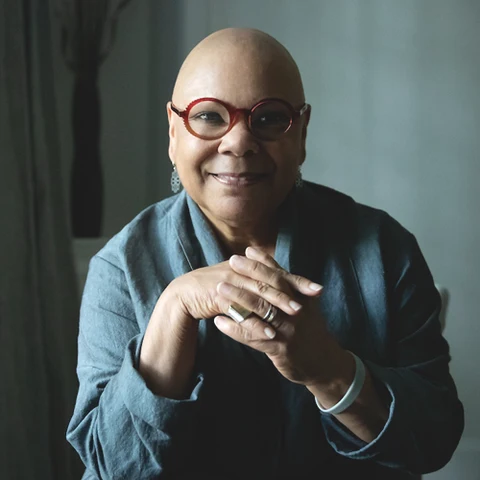
Mindfulness teacher, mentor, and founder of the Mindful of Race Institute.
View profile →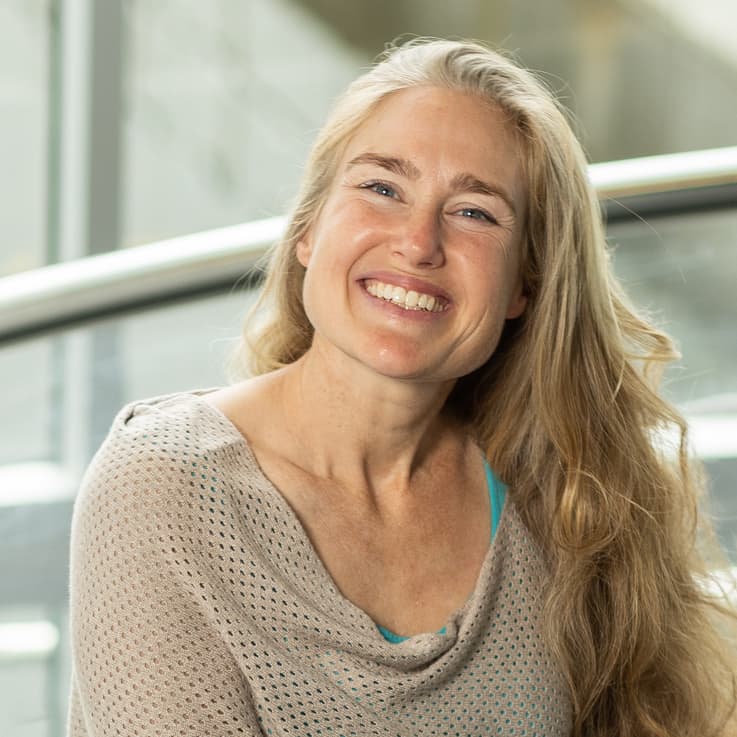
Dutch former psychotherapist, bestselling author and educator who developed the Emotion Codex, a framework mapping eight stages of emotional awareness.
View profile →Director of UCLA Mindful, offering secular, clinically-oriented mindfulness instruction to a broad public audience.
View profile →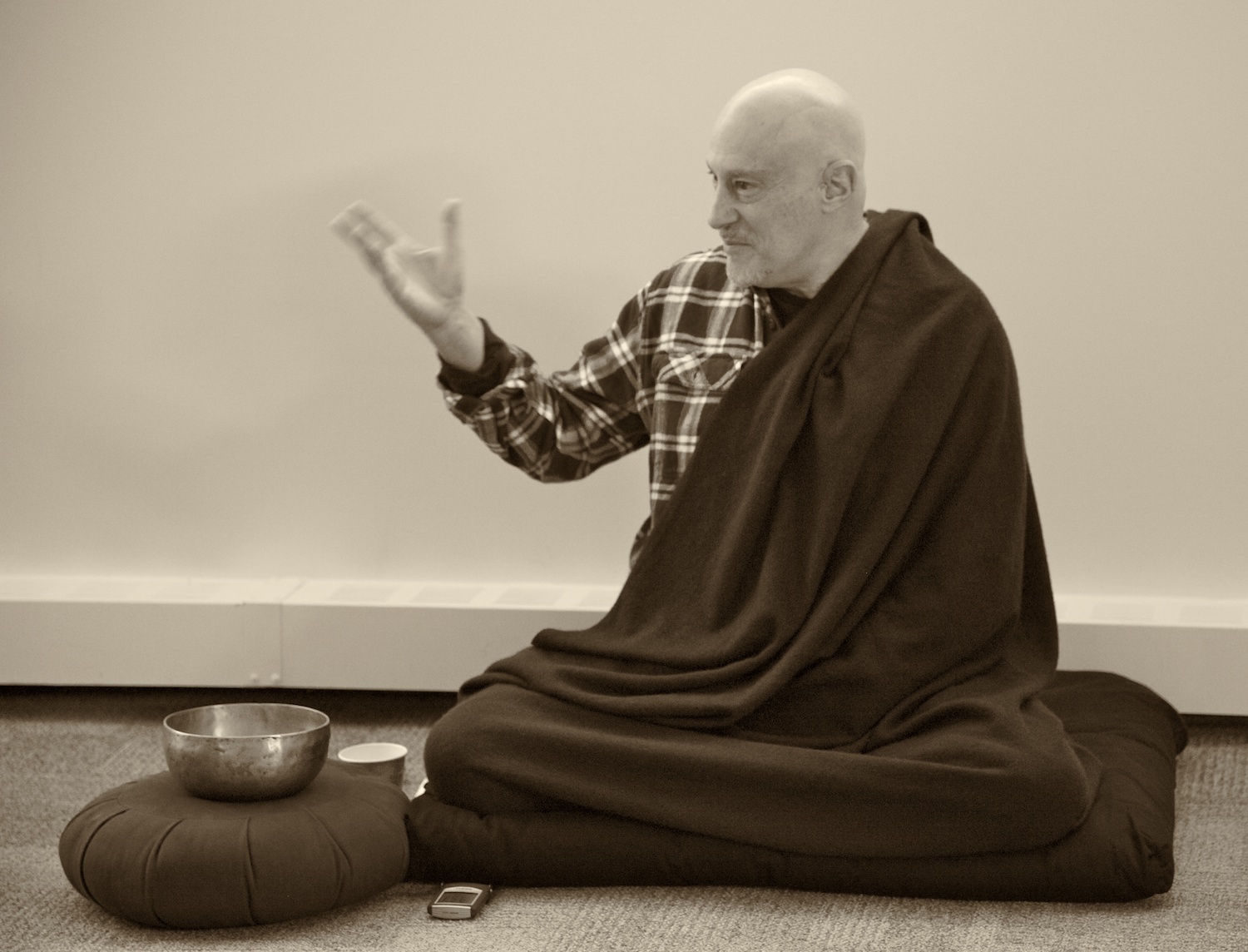
American meditation teacher and creator of Unified Mindfulness, a systematic, secular framework for categorising and training attention.
View profile →Retreats, dialogues and online gatherings connected to this path.
Online · Weekly online meditation and talk
Online · Weekly online practice call
Online · Weekly online class
Los Angeles, California, United States · Weekly guided meditation
Talks and conversations from teachers within this path.
His signature lecture, tracing the argument from the limits of physics to the claim that mind is the ground of reality, illustrated throughout with slides.
A long interview in which Russell sets out why he thinks consciousness is fundamental rather than a by-product of the brain, and what that means for how a person meets their own mind.
A short piece to camera on why insight alone does not dissolve a recurring pattern, and what mindful contact with the underlying feeling actually asks of you.
A two-hour conversation on the Know Thyself podcast in which Muscara traces his six months as a Theravada monk in Burma and what it taught him about presence, self-worth and the limits of self-improvement.
Voices from this path and the schools within it, playing from the platforms the teachers publish on.
Shinzen Young introducing the Unified Mindfulness system, on YouTube.
Listen on YouTubeMark Nepo on Oprah's Super Soul, on how illness opened his listening.
From the podcast Oprah's Super Soul
Listen on SpotifyA solo episode of his own Practicing Human podcast on how to stay with a life that is coming apart without rushing to fix or explain it.
Listen on Apple PodcastsMindfulness programmes are often taught by instructors with clinical or educational training rather than within a lineage of spiritual authority. That can be a strength, but it also means the usual questions about a teacher's training and accountability apply differently here.