Talk
Holy Trinities: Threefold Models of Reality
Rupert Sheldrake explores threefold models of reality across traditions.
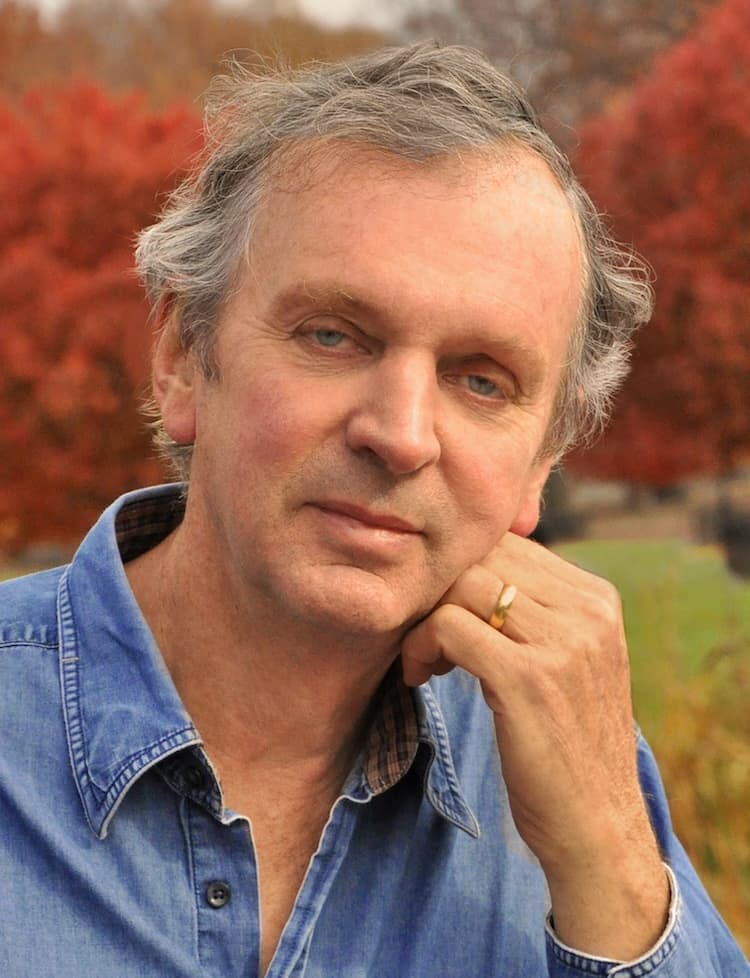 Photo by Mia Hanson
Christian mysticism · Morphic Resonance
British biologist, author and parapsychology researcher known for his theory of morphic resonance, who also writes and speaks on the science of spiritual and contemplative practices.
Rupert Sheldrake trained as a biochemist at Cambridge (PhD, Clare College) before turning to more speculative research on morphic resonance, the idea that natural systems inherit a kind of collective memory from previous similar systems. His books, including A New Science of Life and The Science Delusion, and his research into telepathy, the "sense of being stared at" and other unexplained phenomena, have made him one of the best-known and most debated voices at the boundary of science and spirituality. His book Science and Spiritual Practices examines meditation, chanting, pilgrimage and other contemplative practices from a scientific perspective, and he is a regular speaker for groups such as the World Community for Christian Meditation.
Sheldrake remains active as a writer, podcaster (Navigating Consciousness) and public speaker, giving occasional in-person workshops alongside online talks; his website lists current dates before planning to attend.
“Most of the so-called laws of nature are more like habits.”Rupert Sheldrake
Talks, day programmes and retreats currently listed in the Paths Are Many calendar.
Short introductions and longer conversations, to hear this teacher in their own words.
Rupert Sheldrake explores threefold models of reality across traditions.
Rupert Sheldrake presents new research on directional scopaesthesia and vision.
Silence, prayer and direct experience within the mystical traditions of Christianity.
Explore the path →